
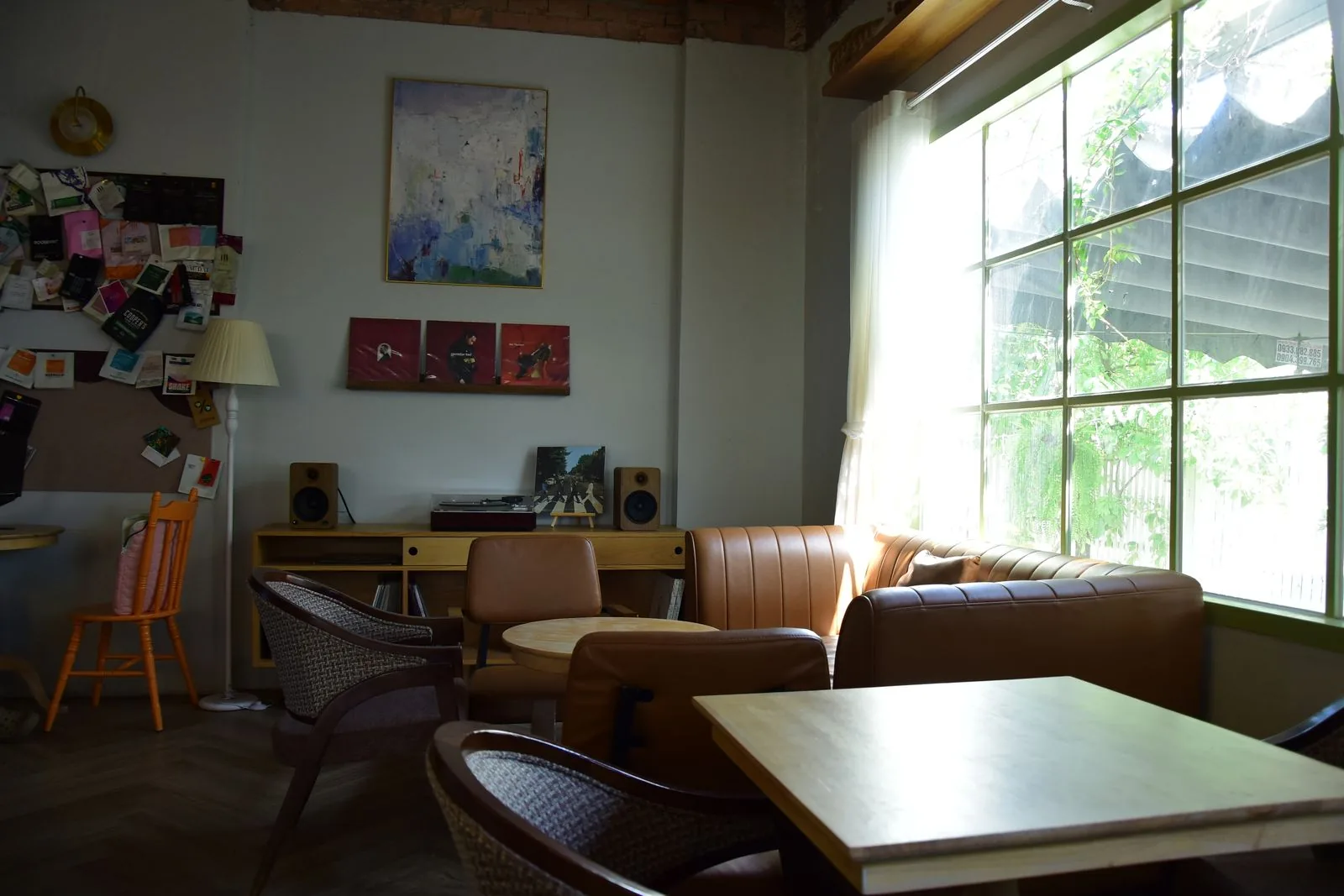
Most of our lives are lived not on retreats or holidays but at home, which makes the home the most important wellbeing space we have — and the most neglected. You do not need a dedicated room or a big budget to change how a space feels; a thoughtful corner, a few small rituals and a little attention to light and clutter can turn part of an ordinary home into a genuine sanctuary you return to daily.
Start by subtracting rather than adding. Calm spaces are usually uncluttered ones, and clearing a surface or a corner of the visual noise it has gathered does more for the feel of a room than any purchase. You are not aiming for stark minimalism, simply for a little breathing room — a clear space for the eye and the mind to rest is the foundation everything else sits on.
Then work with light, texture and scent. Soft, warm lighting in the evening rather than harsh overhead glare; natural textures and a plant or two; a candle or a little aromatherapy to mark the shift into rest — these small sensory choices shape mood more than we credit. A single comfortable chair by a window with good light can become the most restorative spot in the house.
Give the space a purpose and a ritual. A corner used deliberately — for morning stillness, an evening book, a few minutes of breathing — gathers a kind of calm around it over time, so that simply sitting there begins to settle you. The ritual matters as much as the setting: lighting the candle, silencing the phone, a slow breath as you sit down are what turn a nice corner into a genuine refuge.
Let it evolve with you and the seasons. A home sanctuary is never finished; it shifts with your needs, the light and the time of year — warmer and cosier in winter, lighter and more open in summer. Tend it a little, use it often, and this small, deliberate corner of calm becomes something a holiday cannot give you: restoration woven quietly into ordinary days, always there when you need it.